

GC Tooth Mousse vs MI Paste Plus: What’s the Difference?
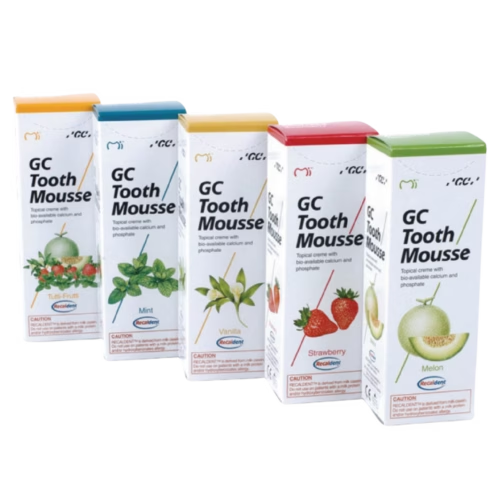
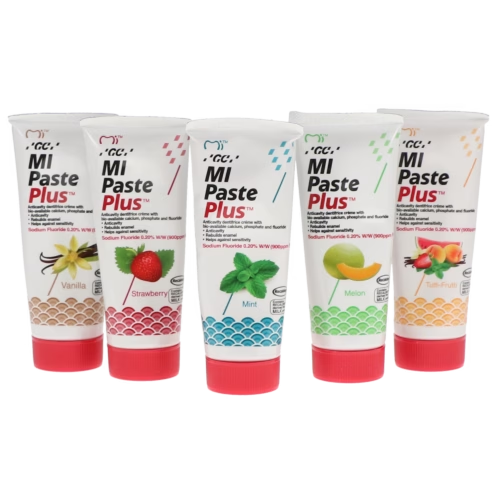
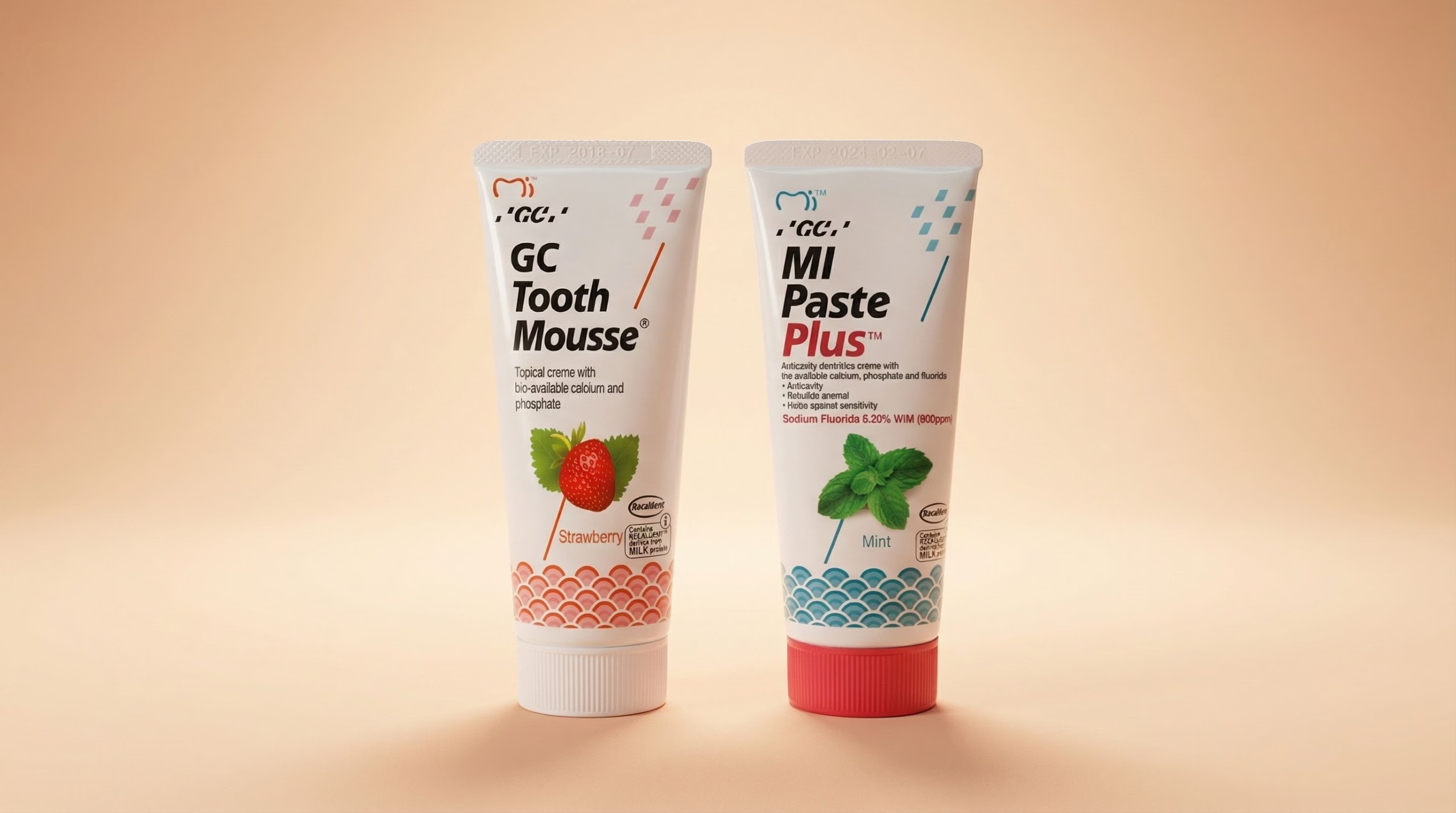
GC Tooth Mousse and MI Paste Plus share a CPP-ACP base, but MI Paste Plus also contains fluoride. Tooth Mousse and MI Paste are regional names for the non-fluoride product, while local availability and product instructions should guide the final choice.
What is the naming difference?
GC Corporation uses Tooth Mousse in South Africa, Europe and Australia, and MI Paste in the United States. These names generally refer to the non-fluoride CPP-ACP product. MI Paste Plus is the fluoride-containing formulation, also known in some markets as Tooth Mousse Plus.
Key differences
| Product | Formula | Best considered for |
|---|---|---|
| GC Tooth Mousse | CPP-ACP without added fluoride | Patients needing an adjunct for enamel support or sensitivity, where this formula suits their plan |
| MI Paste Plus | CPP-ACP with fluoride | Patients who may benefit from additional fluoride under dental guidance |
CPP-ACP is derived from milk casein. Neither product should be used by someone with a confirmed milk-protein or casein allergy. Lactose intolerance is different, but ask a clinician if unsure. Age, pregnancy, breastfeeding, caries risk and existing fluoride exposure should be assessed individually rather than assumed from a general rule.
How a dentist may choose
The decision depends on decay risk, diet, saliva flow, sensitivity, orthodontic treatment and the fluoride already used. A dentist may suggest non-fluoride Tooth Mousse when extra fluoride is not wanted, or MI Paste Plus when added fluoride is appropriate. These products supplement, rather than replace, brushing with fluoride toothpaste.
How to use either product
- Brush first.
- Apply the amount and frequency stated on the label or advised by your dentist.
- Spread over the teeth and leave it in place as directed.
- Spit out and follow the product instructions about rinsing, eating and drinking.
Frequently asked questions
Are Tooth Mousse and MI Paste the same?
They generally refer to the same non-fluoride formula under different regional names. MI Paste Plus is a different fluoride-containing formulation.
Which is better?
Neither is universally better. The appropriate product depends on your clinical risk and existing fluoride routine.
Ready for a Brighter Smile?
Our dental experts are here to help you choose the perfect products for a healthy, radiant smile.