

Do Teeth Whitening Lights Work?
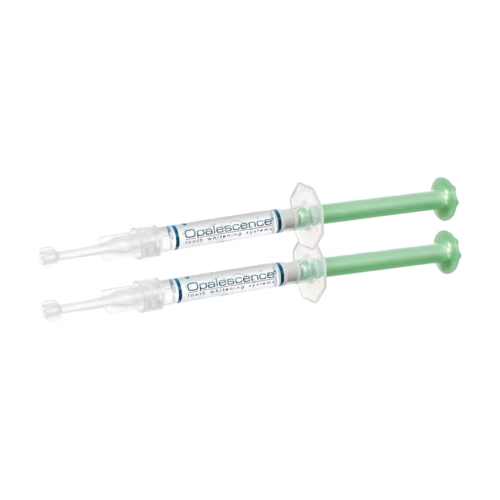
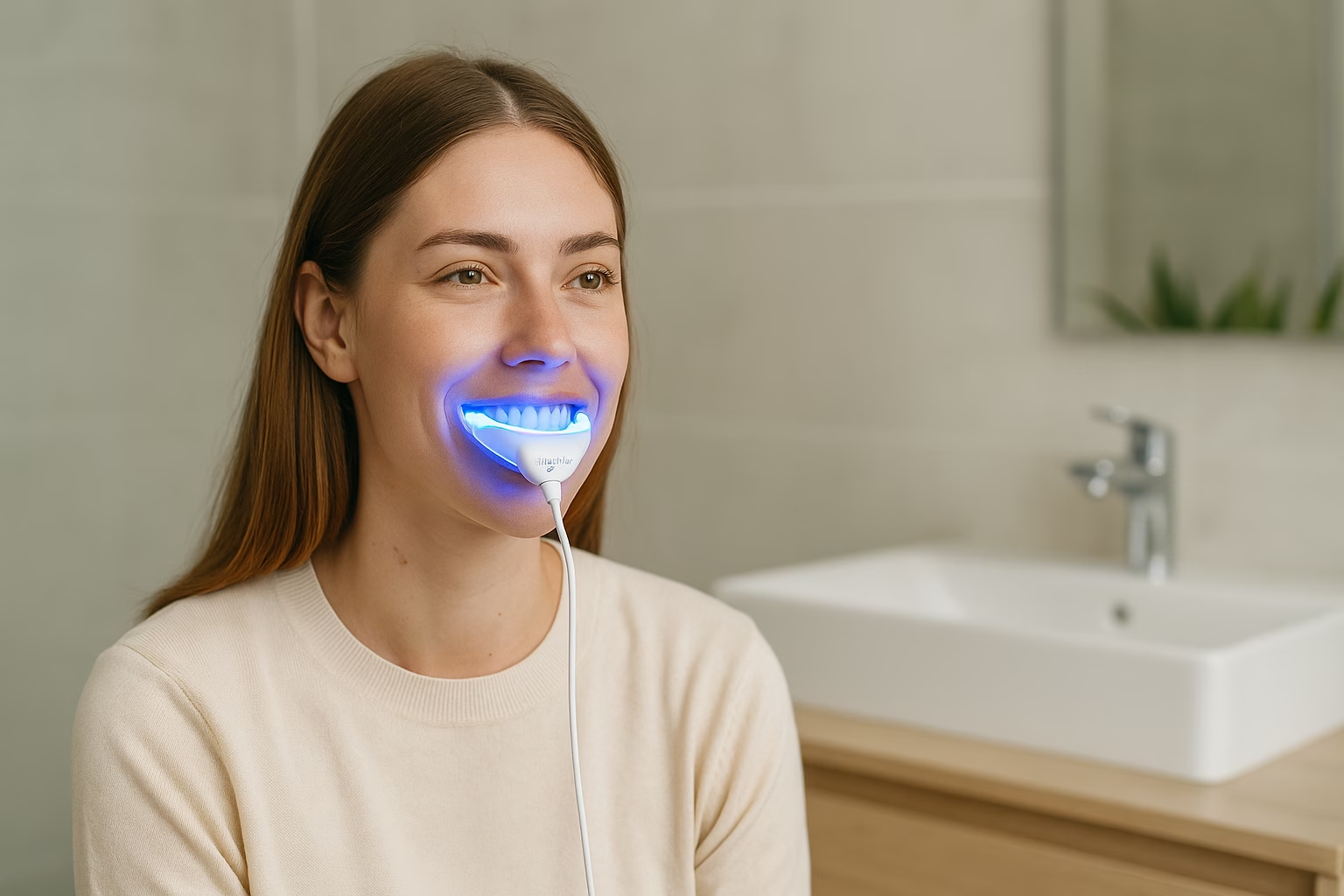
At-home whitening lights may add theatre, but the whitening effect usually comes from the peroxide gel and how well it contacts the teeth, not from the light itself.
That does not mean every light is useless in every setting. It means that, for most home kits, the extra benefit of a small LED mouthpiece appears limited. If a kit works, the gel is usually doing the heavy lifting.
What an LED whitening kit usually includes
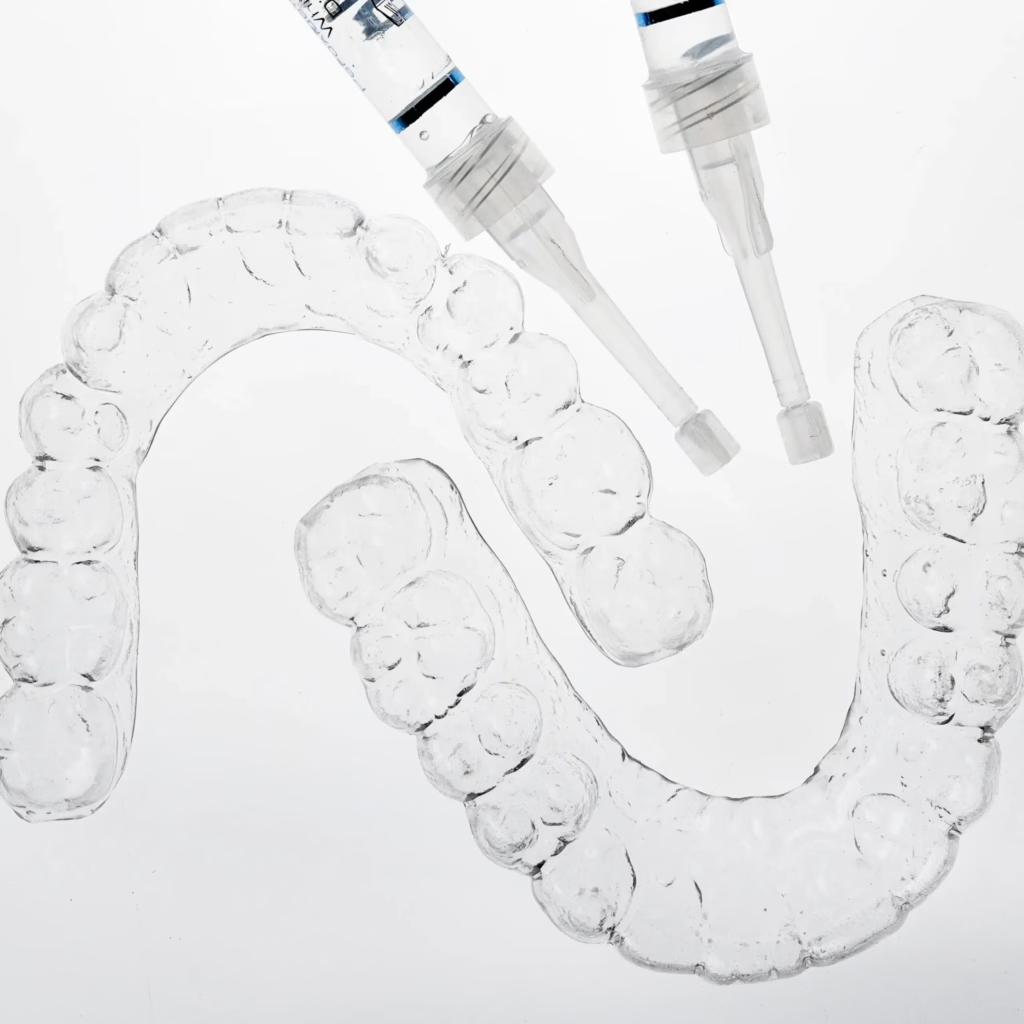
- A whitening gel, usually peroxide-based
- A tray or mouthpiece that holds the gel near the teeth
- A small LED light marketed as an activator or accelerator
What the evidence suggests
In home systems, evidence that LED adds a meaningful whitening boost is limited. In peroxide-based systems, the gel whitens by breaking down certain stain compounds. A light may change the experience of the treatment, but it does not replace a suitable gel, correct use, or a good tray fit. Home LED devices are also not equivalent to the equipment or protocols used in a dental practice.
Why some people still feel they help
People often use light-based kits more consistently because the process feels more structured. The visible light can also make the treatment seem more active, even when the real whitening comes from the gel. In other words, the routine may improve adherence, but that is different from proving that the light itself is doing the whitening.
Limits and risks of one-size-fits-all kits
- Poor tray fit can lead to gum irritation and patchy results.
- Unclear ingredient strength makes it harder to predict comfort and wear time.
- Patients may keep using a disappointing kit for too long because the light makes it seem more advanced than it is.
What usually matters more than the light
- Whether the teeth and gums are healthy enough for whitening
- The type and concentration of the whitening gel
- How evenly the gel contacts the teeth
- Realistic expectations about what whitening can and cannot change
When professional advice is worth it
If you have fillings on the front teeth, marked sensitivity, uneven colour, or stains that have not responded to over-the-counter products, it is worth getting advice before spending more on gadgets. A dentist can help you decide whether whitening is likely to work and which format is most sensible for your teeth.
Frequently asked questions
Can a whitening light work without gel?
No. Light on its own does not bleach the teeth.
Are in-practice lights the same as home LED devices?
No. Practice-based systems use different equipment, materials, and supervision, so they should not be treated as interchangeable with low-powered home devices.
Ready for a Brighter Smile?
Our dental experts are here to help you choose the perfect products for a healthy, radiant smile.