
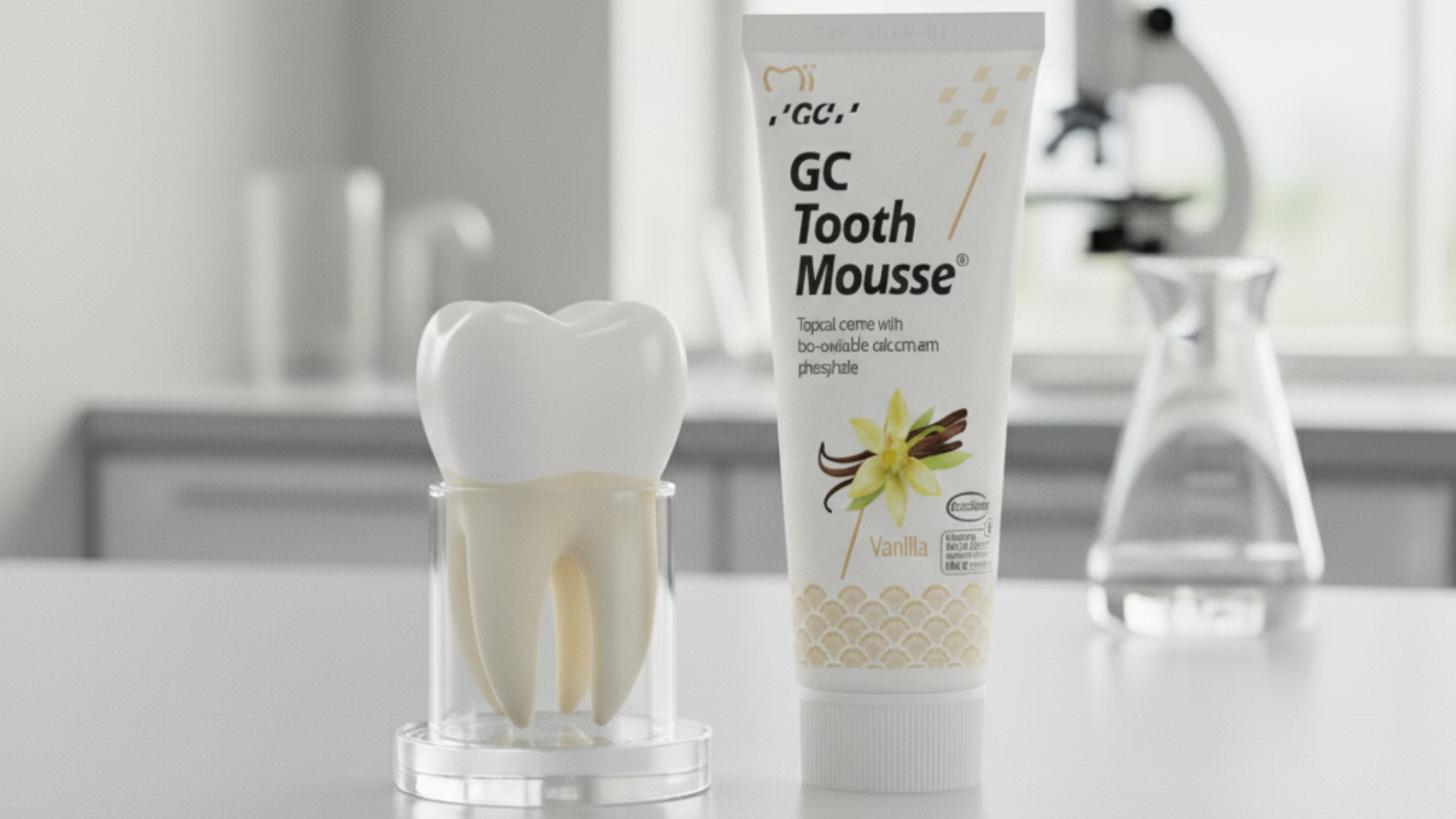
Why Are My Teeth So Sensitive, and What Can I Do About It?
You take a sip of cold water, bite into an ice cream or drink a cup of hot coffee, and suddenly feel a sharp jolt in one of your teeth.
Tooth sensitivity is common, but that does not mean you should simply learn to live with it. Sometimes it is caused by everyday wear and tear. In other cases, it can be a warning sign of a cavity, cracked tooth or another dental problem that needs professional treatment.
This article explains why sensitivity happens, what you can do at home and which oral-care products may help.
What does tooth sensitivity feel like?
Sensitive teeth usually cause a short, sharp pain when they come into contact with something hot, cold, sweet or acidic. Some people also experience discomfort while brushing, flossing or breathing in cold air.
The pain may disappear almost immediately, but it can still make eating, drinking and cleaning your teeth unpleasant.
Why do teeth become sensitive?
To understand sensitivity, it helps to know a little about the structure of a tooth.
The visible part of a healthy tooth is protected by a hard outer layer called enamel. Beneath the enamel is a softer layer called dentine. Dentine contains thousands of tiny channels that lead towards the sensitive inner part of the tooth.
When enamel becomes worn, or when the gums pull back and expose the tooth root, these channels are no longer properly protected. Heat, cold, sweetness and acidity can then stimulate the inside of the tooth more easily, causing that familiar sharp pain.
Several things can cause or contribute to this problem.
1. Worn enamel
Enamel is strong, but it can gradually lose minerals or wear away.
Brushing too aggressively, grinding your teeth and frequently consuming acidic foods or drinks can all contribute to enamel damage. Soft drinks, sports drinks, citrus products, sour sweets and other acidic foods are common sources of repeated acid exposure.
Early mineral loss may sometimes be stopped or reversed with fluoride and improved oral care. Once a physical hole or cavity has formed, however, it normally requires treatment from a dentist.
2. Receding gums
Your gums normally cover and protect the roots of your teeth. If the gums begin to pull back, part of the root becomes exposed.
Tooth roots do not have the same thick enamel covering as the visible crowns of your teeth. This makes them particularly vulnerable to temperature changes and sensitivity.
Receding gums may be related to gum disease, plaque buildup, aggressive brushing or other dental factors. Gum disease can also cause red, swollen or bleeding gums, loose teeth and discomfort while chewing.
3. Cavities
A cavity is an area where decay has damaged the tooth.
As decay progresses, you may notice sensitivity to hot, cold or sweet foods. You might also notice a dark mark, visible hole or ongoing toothache.
Sensitivity toothpaste may reduce the discomfort temporarily, but it cannot repair a cavity. A dentist will need to assess the tooth and may recommend a filling or another treatment.
4. A cracked tooth or damaged filling
A crack, chip or worn filling can allow temperature changes and pressure to reach the sensitive areas inside a tooth.
This type of sensitivity is often limited to one particular tooth. It may be especially noticeable when biting, chewing or releasing your bite.
Cracks and damaged fillings cannot be reliably diagnosed at home. A dentist may need to examine the tooth or take an X-ray.
5. Teeth grinding or clenching
Grinding places repeated pressure on the teeth and can wear down enamel, chip teeth or damage existing dental work.
Some people grind or clench while sleeping and do not realise they are doing it. Other possible signs include jaw tightness, morning headaches, facial discomfort and teeth that look flattened or worn.
A dentist can check for signs of grinding and may recommend a custom mouthguard when appropriate.
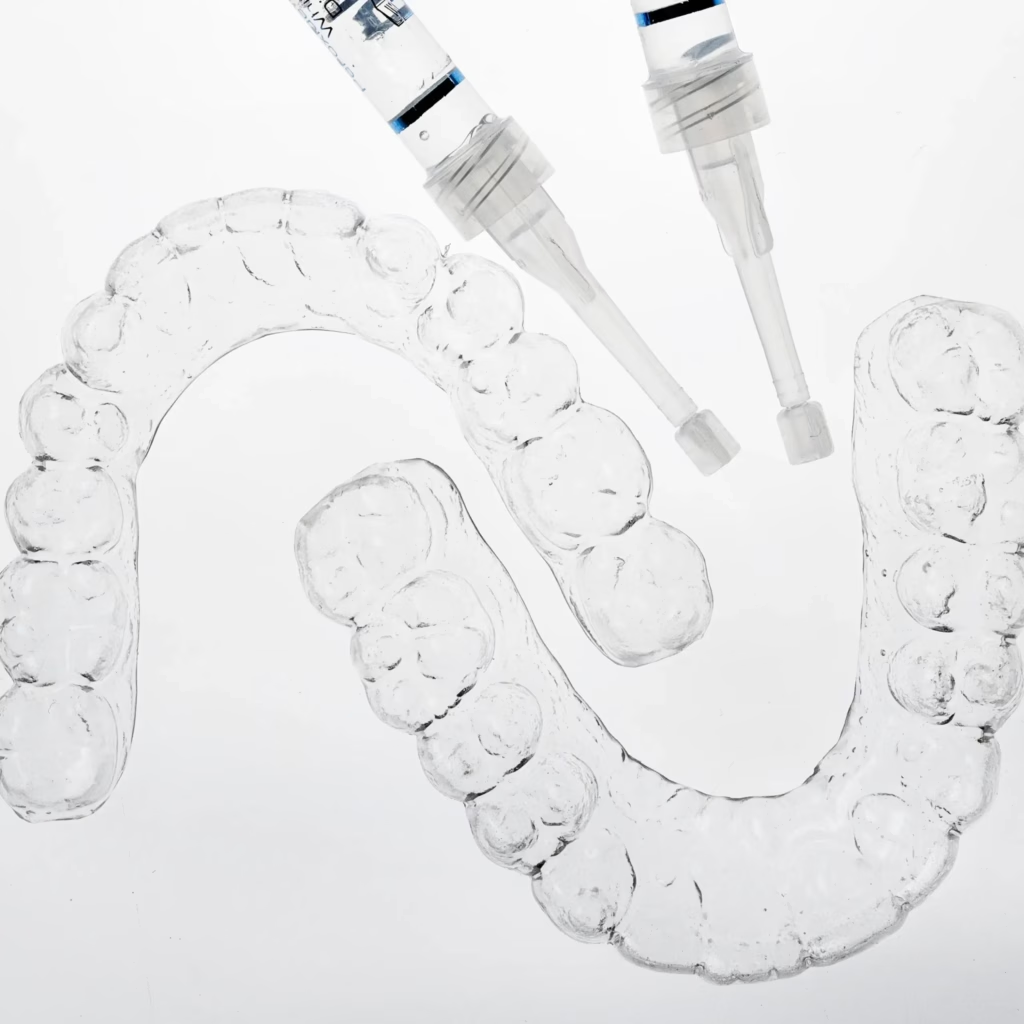
6. Teeth-whitening treatments
Whitening treatments can sometimes cause temporary sensitivity, particularly when products are used too frequently, applied incorrectly or contain stronger concentrations of whitening ingredients.
If your teeth are already sensitive, deal with the cause before beginning an intensive whitening routine. A dentist can help you choose a suitable approach.
How to tackle sensitive teeth
The right solution depends on what is causing the problem. The following steps may help manage mild sensitivity and prevent further irritation.
Use a toothpaste made for sensitive teeth
Desensitising toothpastes contain ingredients that help reduce the movement of sensations from the tooth surface towards the nerve.
They are not always an instant fix. You may need to use the same toothpaste consistently for several applications before noticing a meaningful improvement.
Smilerite product option: Elmex Sensitive Professional Toothpaste
Elmex Sensitive Professional Toothpaste 75ml contains Pro-Argin technology, which uses arginine and calcium-based ingredients to help seal exposed dentine pathways. With regular brushing, it creates a protective barrier over sensitive areas.
Shop now: Elmex Sensitive Professional Toothpaste 75ml from Smilerite
Use it according to the instructions on the packaging and continue brushing twice a day. Avoid swapping between several sensitivity toothpastes every few days, as they generally work best with consistent use.
Sensitivity toothpaste can help manage symptoms, but it will not repair a crack, replace a damaged filling or treat an established cavity.
Brush gently with a soft toothbrush
Brushing harder does not make your teeth cleaner.
Aggressive brushing can irritate your gums and contribute to wear around the gumline. Use a soft or extra-soft toothbrush, apply light pressure and brush with small, controlled movements.
Smilerite product option: Elmex Sensitive Professional Toothbrush
The Elmex Sensitive Professional Toothbrush Extra Soft 2 Pack has extra-soft bristles, a soft-coated brush head and a handle designed to offer better control while brushing. It is intended for people with sensitive teeth and gums who need effective cleaning without unnecessarily firm bristles.
Shop now: Elmex Sensitive Professional Extra Soft Toothbrush 2 Pack from Smilerite
Electric option: Dr Smile Electric Toothbrush
People who prefer an electric toothbrush can consider the Dr Smile Electric Toothbrush with Charger. It offers four brushing modes: Clean, White, Polish and Sensitive, as well as up to 31,000 strokes per minute, a two-minute timer, 30-second pacing and a memory function.
For sensitive teeth, select the Sensitive mode and guide the brush gently across each tooth. Avoid pressing or scrubbing, as excessive pressure can irritate the gums and contribute to wear around the gumline.
Shop now: Dr Smile Electric Toothbrush with Charger from Smilerite
Keep cleaning sensitive areas
It may be tempting to avoid brushing a painful tooth, but allowing plaque to build up can make the underlying problem worse.
Continue brushing twice a day with fluoride toothpaste and clean between your teeth regularly using floss or an appropriate interdental cleaner. Good daily oral hygiene helps reduce the risk of tooth decay and gum disease, both of which can contribute to sensitivity.
Consider a sensitivity mouthwash
A mouthwash can be a useful addition to brushing, but it should not replace toothpaste, brushing or interdental cleaning.
Smilerite product option: Elmex Sensitive Professional Mouthwash
Elmex Sensitive Professional Mouthwash 400ml contains arginine, calcium carbonate and fluoride. It is designed to help cover exposed dentine pathways and provide additional protection against sensitivity. It is also alcohol-free.
Shop now: Elmex Sensitive Professional Mouthwash 400ml from Smilerite
Follow the instructions on the bottle. Avoid using mouthwash immediately after brushing unless the product directions specifically recommend it, as rinsing may wash away the concentrated toothpaste ingredients left on your teeth.
Reduce repeated acid exposure
You do not necessarily have to remove every acidic food from your diet. The larger problem is exposing your teeth to acid repeatedly throughout the day.
Try to:
- Limit frequent sipping of soft drinks, energy drinks, sports drinks and acidic juices.
- Have acidic foods or drinks with a meal rather than repeatedly between meals.
- Drink plain water afterwards.
- Avoid holding acidic drinks in your mouth.
- Speak to a healthcare professional if frequent reflux or vomiting may be exposing your teeth to stomach acid.
Repeated acid exposure causes enamel to lose minerals, while fluoride, saliva and good oral care can help support the early remineralisation process.
Ask your dentist about additional enamel support
Some people may benefit from a topical dental crème in addition to their normal fluoride toothpaste. These products are not necessary for everyone and should ideally be selected with advice from a dentist or oral hygienist.
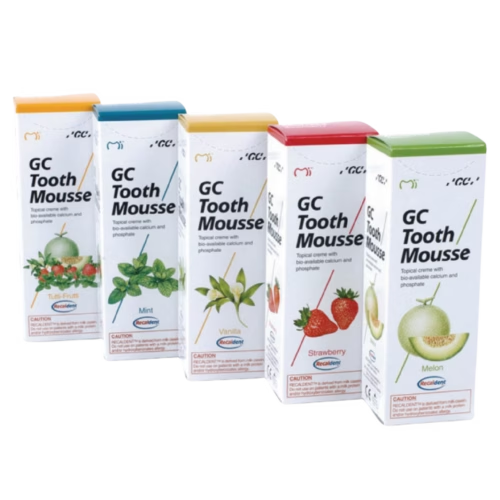
Smilerite product option: GC Tooth Mousse
GC Tooth Mousse is a fluoride-free topical dental crème containing CPP-ACP, also known as Recaldent. It supplies calcium and phosphate to the tooth surface and may be recommended for concerns such as enamel mineral loss, sensitivity, white spots or sensitivity associated with whitening.
Shop now: GC Tooth Mousse with Recaldent from Smilerite
It is an additional treatment, not a replacement for brushing with an appropriate toothpaste.
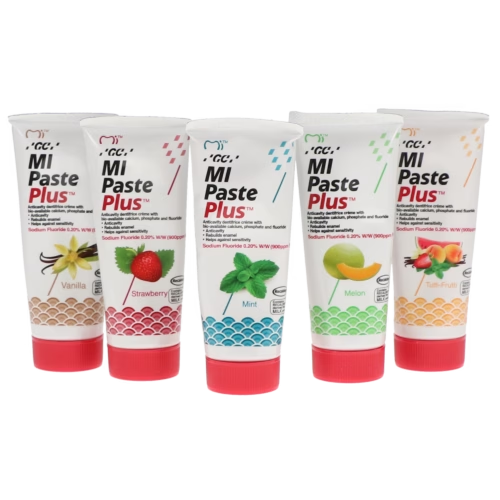
Smilerite product option: GC MI Paste Plus
GC MI Paste Plus also contains CPP-ACP, with the addition of fluoride. It may be considered when a dentist believes that someone needs more intensive support against enamel demineralisation, acid exposure or sensitivity.
Shop now: GC MI Paste Plus with Recaldent and Fluoride from Smilerite
Important: GC Tooth Mousse and GC MI Paste Plus contain ingredients derived from milk casein. They should not be used by people with a milk-protein allergy. A milk-protein allergy is different from lactose intolerance.
Anyone with a suspected allergy to milk proteins, benzoate preservatives or another listed ingredient should avoid these products and speak to a healthcare professional.
Be careful with whitening products
If your teeth are currently painful or unusually sensitive, pause strong whitening treatments until the cause has been identified.
A sensitivity-focused toothpaste may be a more suitable first step for someone who still wants help removing surface stains.
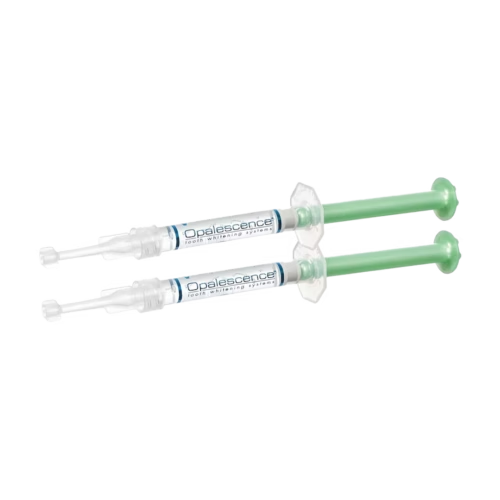
Smilerite product option: Opalescence Sensitivity Relief Toothpaste
Opalescence Whitening Toothpaste: Sensitivity Relief contains potassium nitrate to help reduce sensitivity and fluoride to support enamel and cavity protection. It removes surface stains rather than bleaching deeply inside the tooth.
Shop now: Opalescence Sensitivity Relief Whitening Toothpaste from Smilerite
If sensitivity persists or gets worse, see a dentist rather than continuing to self-treat indefinitely.
Speak to your dentist about grinding
A dentist can check for tooth wear, cracks, damaged restorations and other signs of grinding.
When appropriate, a custom-made mouthguard may be used to protect the teeth. Avoid buying a mouthguard purely to cover up ongoing tooth pain without first finding out what is causing it.
What treatments can a dentist offer?
Home-care products may reduce mild sensitivity, but they cannot correct every underlying problem.
Depending on the cause, a dentist may recommend:
- A professional fluoride treatment
- A filling for tooth decay
- Bonding to cover an exposed or damaged area
- An inlay or crown
- Replacement of a worn or leaking filling
- Treatment for gum disease
- A gum graft for a significantly exposed root
- A custom mouthguard for grinding
- Root-canal treatment when the nerve inside a tooth is badly inflamed or infected
The most suitable treatment depends on why the tooth is sensitive. Treating the underlying cause is more important than simply covering up the discomfort.
When should you see a dentist?
Arrange a dental appointment when sensitivity:
- Is new or getting worse
- Is limited to one particular tooth
- Keeps returning
- Continues after several weeks of sensitivity toothpaste
- Happens without an obvious hot or cold trigger
- Is accompanied by pain when biting
- Starts after a filling, crown or other dental treatment
- Comes with red, swollen or bleeding gums
Seek prompt dental care if tooth pain lasts more than two days or is accompanied by fever, a bad taste, painful biting, red gums or swelling of the cheek or jaw.
Swelling around the eye or neck, or swelling that makes it difficult to breathe, swallow or speak, requires urgent medical attention.
A simple sensitivity-friendly routine
For mild, general sensitivity, a sensible starting routine could include:
- Brush twice daily with Elmex Sensitive Professional Toothpaste.
- Use the Elmex Sensitive Professional Extra Soft Toothbrush or the Dr Smile Electric Toothbrush on its Sensitive setting. Guide the brush gently and avoid applying unnecessary pressure.
- Add Elmex Sensitive Professional Mouthwash if you want additional sensitivity protection.
- Reduce repeated exposure to acidic drinks and foods.
- Ask your dentist whether GC Tooth Mousse or GC MI Paste Plus is suitable for your particular teeth.
- Choose Opalescence Sensitivity Relief Toothpaste rather than a more aggressive whitening routine if surface stains are also a concern.
Do not start every product at once. Toothpaste and gentle brushing form the foundation. Mouthwash and topical dental crèmes are optional additions based on your needs.
The bottom line
Sensitive teeth are often caused by exposed dentine, but there are several reasons why that exposure or irritation may occur. Worn enamel, receding gums, cavities, cracks, damaged fillings, whitening and teeth grinding can all produce similar symptoms.
A sensitivity toothpaste, extra-soft toothbrush and sensible dietary changes may help with mild symptoms. Additional products such as a sensitivity mouthwash or remineralising dental crème may also be useful in the right circumstances.
Products should not be used to hide persistent pain. Sensitivity that affects one tooth, becomes more severe or does not improve should be assessed by a dentist so that the actual cause can be treated.
This article provides general educational information and is not a substitute for an examination, diagnosis or personalised advice from a qualified dental professional.
Ready for a Brighter Smile?
Our dental experts are here to help you choose the perfect products for a healthy, radiant smile.