

Why Your Mouthwash Should Be Alcohol-Free
Mouthwash can be a useful addition to your daily oral-care routine. It can help freshen your breath, reach areas that are difficult to clean and, depending on its active ingredients, help protect your teeth and gums.
Not all mouthwashes are the same. Some contain alcohol, while others are completely alcohol-free.
An alcohol-containing mouthwash is not automatically unsafe, but an alcohol-free mouthwash is often the gentler and more comfortable choice for everyday use, especially if you experience dry mouth, sensitive gums or frequent irritation.
Why is alcohol added to mouthwash?
The alcohol used in mouthwash is usually ethanol, which is the same general type of alcohol found in alcoholic drinks.
In mouthwash, alcohol can help dissolve ingredients such as essential oils and keep the formula stable. It also contributes to the strong burning sensation many people associate with a powerful mouthwash.
Alcohol is not, however, the ingredient providing the oral-health benefit.
The important ingredients are active ones such as fluoride for cavity protection, cetylpyridinium chloride for plaque control or other antibacterial agents used for particular gum conditions.
A mouthwash does not need to contain alcohol to be effective.
Alcohol can make a dry mouth feel worse
One of the main disadvantages of alcohol-containing mouthwash is that it can be drying.
Your mouth needs saliva to remain healthy. Saliva helps wash away food particles, neutralise acids and protect your teeth against decay. When you do not produce enough saliva, your mouth may feel sticky or uncomfortable, and your risk of developing cavities may increase.
The American Dental Association notes that alcohol can be drying and that choosing an alcohol-free mouth rinse may be sensible for people experiencing dry mouth. (American Dental Association)
Dry mouth may be caused by:
- Certain medications
- Dehydration
- Smoking or vaping
- Breathing through your mouth
- Medical treatments
- Some health conditions
- Reduced saliva production with age
For anyone already struggling with dryness, an alcohol-containing rinse may make the mouth feel even less comfortable.
The burning feeling does not mean it works better
Many people believe that mouthwash needs to burn for it to work.
That strong sting may make the product feel powerful, but discomfort is not a reliable measure of effectiveness. The benefits come from the active ingredients in the formula, not from how much it burns.
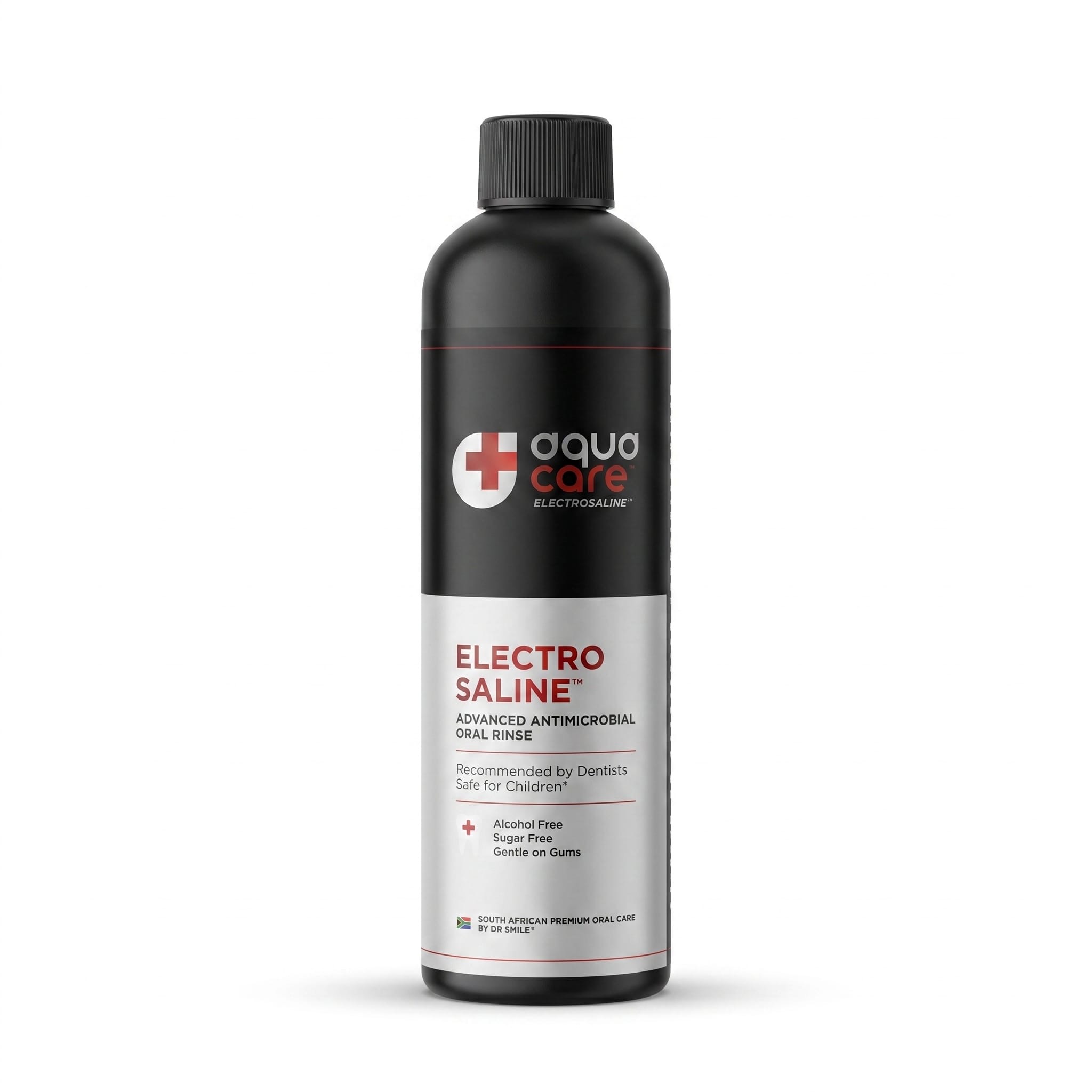
An alcohol-free mouthwash can still help manage plaque, support gum health, strengthen enamel or protect sensitive teeth without making your mouth feel as though it is on fire.
A mouthwash that is too uncomfortable may also discourage you from rinsing for the recommended amount of time or using it consistently.
Alcohol may irritate a sensitive mouth
Alcohol-containing products can irritate the lining of the mouth, particularly when the tissue is already sore or sensitive. Mayo Clinic advises people experiencing burning-mouth symptoms to avoid alcohol and products containing alcohol because they may irritate the mouth’s lining. (Mayo Clinic)
An alcohol-free mouthwash may therefore be more comfortable if you have:
- Mouth ulcers
- Tender or bleeding gums
- A sore tongue
- Dry mouth
- Irritation after dental treatment
- Braces or orthodontic appliances
- Naturally sensitive oral tissues
A gentler formula allows you to rinse without adding unnecessary discomfort to an already sensitive mouth.
Alcohol-free mouthwash may be more suitable for the whole household
Mouthwash should always be spat out and never swallowed. It should also be kept out of reach of young children.
Even so, some households prefer avoiding alcohol-containing oral-care products altogether, whether for religious, cultural, medical or personal reasons.
People recovering from alcohol dependence may also prefer not to use or keep alcohol-containing mouthwash in the home.
Choosing an alcohol-free formula removes this concern while still allowing you to select a rinse with suitable active ingredients.
Does alcohol-containing mouthwash cause oral cancer?
You may have heard claims that alcohol-containing mouthwash causes oral cancer.
Current research has not conclusively shown that normal use of an alcohol-containing mouthwash independently causes oral cancer. Reviews have generally found that the available evidence is mixed and that factors such as smoking, alcohol consumption, oral hygiene and frequency of mouthwash use make the relationship difficult to assess. (American Dental Association)
It would be inaccurate to claim that every mouthwash containing alcohol is dangerous.
The more practical reasons to choose an alcohol-free mouthwash are simpler: it is often less drying, less irritating and more comfortable to use.
Alcohol-free does not automatically mean the right choice
Seeing “alcohol-free” on a bottle does not automatically mean that the product is suitable for your needs.
You should also consider what the mouthwash is designed to do.
For cavity protection, look for fluoride. For plaque and everyday gum care, look for an appropriate antibacterial ingredient. For sensitive teeth, choose a mouthwash specifically formulated to reduce sensitivity.
Some stronger antibacterial mouthwashes are intended for particular dental conditions or limited periods of use. Always follow the instructions on the bottle and speak to your dentist when treating ongoing gum problems, pain or sensitivity.
The goal is not simply to choose the strongest or mintiest mouthwash. It is to choose the right active ingredients for your situation.
Mouthwash does not replace brushing and flossing
Even the best alcohol-free mouthwash cannot replace proper cleaning.
Your basic oral-care routine should still include:
- Brushing twice a day with fluoride toothpaste
- Cleaning between your teeth every day
- Cleaning your tongue
- Attending regular dental check-ups
- Using mouthwash as an additional step rather than a replacement
The American Dental Association confirms that mouthwash does not replace effective brushing and flossing, although it may provide additional protection against concerns such as cavities, gum disease, bad breath or dry-mouth discomfort. (American Dental Association)
Unless your dentist gives you different instructions, consider using mouthwash at a different time from brushing. Rinsing immediately after brushing may wash away some of the concentrated fluoride left behind by your toothpaste.
Alcohol-free mouth rinses available from Smilerite
The right mouth rinse depends on the problem you want to address. Smilerite stocks alcohol-free options for common concerns such as plaque, gum health and tooth sensitivity.
For plaque and everyday gum health: Parodontax Active Gum Health Mouthwash
Parodontax Active Gum Health Mouthwash is a suitable everyday option for people concerned about plaque, bleeding gums or early signs of gum trouble.
Its alcohol-free formula contains cetylpyridinium chloride to help control plaque bacteria and sodium fluoride to strengthen enamel and provide additional cavity protection. It is designed to reach around the gum line and between teeth without the strong burning sensation associated with some traditional mouthwashes. (Smilerite)
Shop now: Parodontax Active Gum Health Mouthwash – Invigorating Mint 500ml
For sensitive teeth: Elmex Sensitive Professional Mouthwash
If you experience discomfort when eating or drinking something cold, hot, sweet or acidic, Elmex Sensitive Professional Mouthwash may be the better choice.
Its Pro-Argin technology is designed to help seal the small channels leading towards the tooth nerve, creating a protective barrier against sensitivity. The formula contains no alcohol and includes amine fluoride to help strengthen enamel and protect against cavities. (Smilerite)
Shop now: Elmex Sensitive Professional Mouthwash 400ml
The bottom line
Alcohol-containing mouthwash is not automatically harmful, and some alcohol-containing products can be effective when used correctly.
Alcohol is not, however, essential for a mouthwash to work.
For many people, an alcohol-free mouthwash provides the benefits they need without the strong burning sensation, additional dryness or unnecessary irritation. It is worth considering if you experience dry mouth, sensitive gums, mouth ulcers or discomfort after dental treatment.
The best mouthwash is not the one that burns the most. It is the one with the right active ingredients for your needs, one that you can use comfortably and consistently.
Ready to find a gentler mouth rinse for your daily routine?
Ready for a Brighter Smile?
Our dental experts are here to help you choose the perfect products for a healthy, radiant smile.