
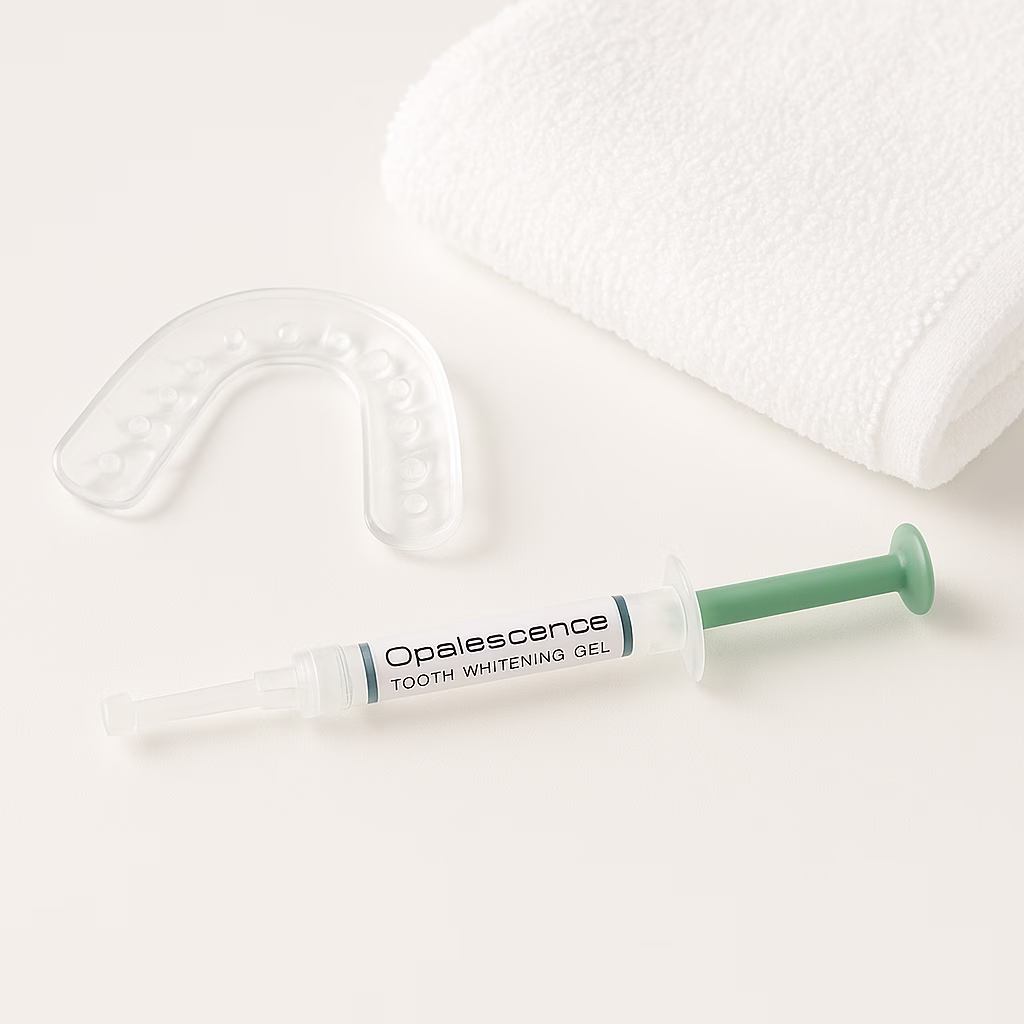
How to Use Whitening Gel Safely: 5 Dentist Tips
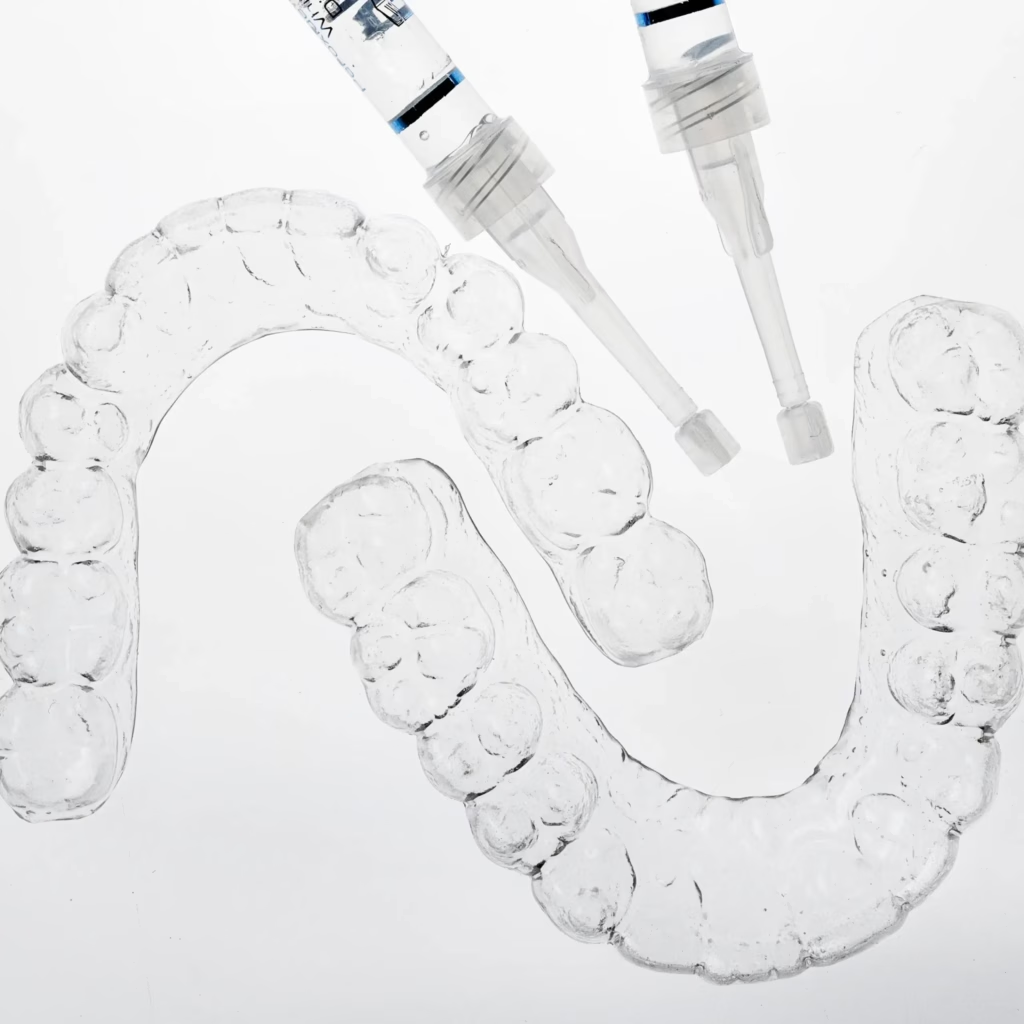
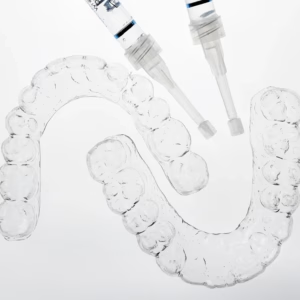
Whitening gel can be used safely at home when the tray fits well, the amount is small, and the treatment plan matches your teeth and sensitivity level.
The biggest mistakes are usually using too much gel, wearing it for too long, or pushing through discomfort that should be assessed. A careful, steady approach is usually more comfortable and more predictable than trying to whiten as quickly as possible.
Start with the right plan
Before whitening, make sure the product strength and wear time are suitable for your teeth. If you have exposed root surfaces, untreated cavities, cracked fillings, or a history of marked sensitivity, it is worth getting dental advice first. For patients who do well with a lower-and-slower approach, Opalescence 10% Whitening Gel is one of the options available from Smilerite.
Five practical rules for safer whitening
1. Use only the recommended amount
Use the amount stated on the product label or recommended by your dentist. Overfilling increases leakage onto the gums and does not necessarily improve the result.
2. Follow the wear time for your gel
Different whitening gels are designed for different wear times. Leaving the tray in longer than advised can increase irritation and sensitivity without guaranteeing a better outcome.
3. Keep gel off the gums and lips
If excess gel squeezes out, wipe it away gently. Soft-tissue irritation is one of the most common reasons home whitening becomes uncomfortable.
4. Expect mild sensitivity, not ongoing pain
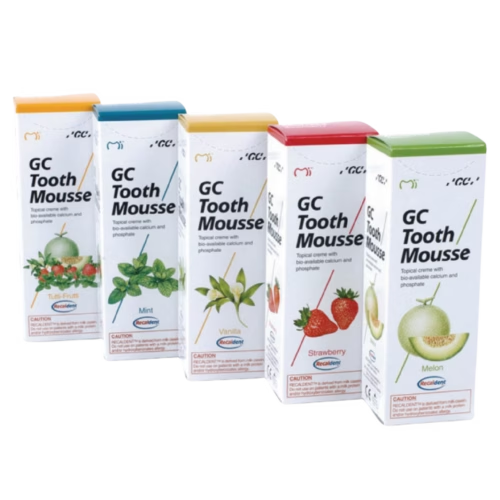
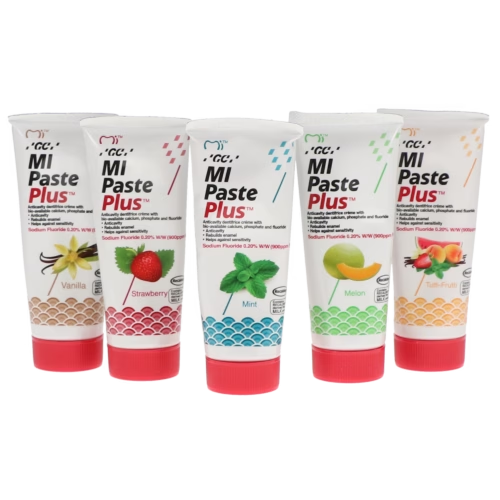
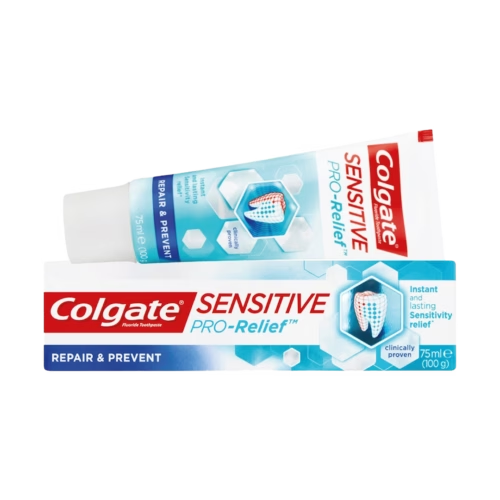
A brief cold response can happen during whitening, but ongoing aching or sharp pain is a sign to stop and reassess. Shorter sessions, a rest day, or a desensitising toothpaste such as Colgate Sensitive Pro-Relief may help. Some patients also like to use GC Tooth Mousse as part of a sensitivity-management routine.
5. Be patient with colour change
Whitening is usually a course, not a one-night fix. During active treatment, it can help to limit strong staining habits such as smoking and frequent intake of coffee, tea, or red wine, especially straight after a session.
When to stop and ask for advice
- Sharp or lingering pain
- White patches or soreness on the gums
- A tray that feels distorted, rough, or unstable
- Uneven results that may reflect old fillings, plaque build-up, or tooth-shape differences
Shop related products
Products mentioned in this guide
Ready for a Brighter Smile?
Our dental experts are here to help you choose the perfect products for a healthy, radiant smile.